Updated July 16, 2026

Key Takeaways
- Gather your current declarations, endorsements, loss runs, vehicle schedule, and driver list before requesting quotes so you can compare terms side by side.
- Review whether you need cargo coverage, trailer interchange, bobtail coverage, or non-trucking liability based on your dispatch pattern and contracts.
- Compare physical damage deductibles and valuation terms before renewing, especially on financed tractors, trailers, or recently added units.
- Check every broker, shipper, lender, and lease agreement against your policy endorsements so certificate wording does not hide a coverage gap.
- Start your renewal review early enough to update drivers, units, garaging, and operating radius before underwriters price the account.
Commercial Truck Insurance in Pennsylvania
If you haul freight across Pennsylvania, your policy should match more than a generic trucking profile. Commercial truck insurance in this state has to account for 620 active insurers, which means more options to sort through but no guarantee that the first quote you see is the right fit. Premiums running above the national average means your budget needs to reflect local pricing realities, not national averages pulled from a blog post. Routes can shift from Harrisburg freight corridors to winter-prone highways and flood-exposed river crossings. Pennsylvania businesses also operate in a state where 99.6% of establishments are small businesses, so owner-operators and small fleets often need coverage that can scale without overbuying. The right policy can be tailored to your operation, but the mix you choose should match how and where your truck actually operates. In Pennsylvania, that means thinking about weather exposure, claim frequency, and the requirements tied to your freight, your contracts, and your operating authority.
What Commercial Truck Insurance Covers
In Pennsylvania, commercial truck insurance is built around the way your truck operates, not just the vehicle itself. Motor carrier liability is the core protection for trucking businesses, and it is the part most likely to be checked first when you are working with shippers, brokers, or compliance reviewers. The product can also include physical damage coverage for trucks, cargo insurance, trailer interchange, bobtail coverage, and non-trucking liability insurance, depending on whether you haul under dispatch, move empty, or handle trailers that are not owned by you. Pennsylvania businesses should also remember that coverage requirements may vary by industry and business size, so a box truck operator in local delivery may need a different structure than a long-haul fleet moving across state lines.
The state's commercial auto minimums are $15,000 for injury to one person, $30,000 per accident, and $5,000 for property damage, but trucking operations often need more than a basic auto form because federal freight rules can require higher liability limits, and many shippers and brokers ask for stronger proof than the minimum. Pennsylvania is regulated by the Pennsylvania Insurance Department, so policy wording, endorsements, and certificates should be reviewed with that framework in mind. Coverage can also be affected by winter storm exposure, flooding, and severe storm risk, which matter for cargo timing, equipment damage, and route disruptions. Standard exclusions still depend on the policy form and endorsements, so the exact treatment of empty miles, detached trailers, and freight in transit varies by carrier and operation.

Motor Carrier Liability
Can help cover injuries and property damage your truck causes to others, a coverage federal regulators require most for-hire carriers to maintain.
Physical Damage
Can help pay to repair or replace your own truck after an accident, fire, theft, or vandalism.
Cargo Coverage
May pay for damage to or theft of the freight you are hauling while it is in your care.
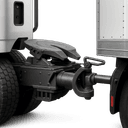
Trailer Interchange
Can help cover damage to trailers you haul under an interchange agreement but do not own.
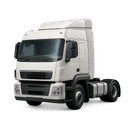
Bobtail Coverage
May provide liability protection when you drive your tractor without a trailer attached, such as after dropping off a load.

Non-Trucking Liability
Can help cover accidents that happen when you use your truck for personal errands rather than dispatched work.
Commercial Truck Insurance Requirements in Pennsylvania
- Pennsylvania commercial auto minimums are $15,000 for injury to one person, $30,000 per accident, and $5,000 for property damage, but trucking policies often need higher limits depending on freight and contracts.
- The Pennsylvania Insurance Department regulates the market, and businesses should compare quotes from multiple carriers before buying.
- Coverage requirements may vary by industry and business size, so a local delivery truck and a long-haul tractor-trailer may need different policy structures.
- Cargo, trailer interchange, bobtail, and non-trucking liability are optional coverages that should be matched to how the truck is actually used.
How Much Does Commercial Truck Insurance Cost in Pennsylvania?
Average Cost in Pennsylvania
$410 - $1,125
per month
Businesses in Pennsylvania typically see commercial truck insurance premiums of $410 - $1,125 per month, which tends to run 1% above the national range of $400 - $1,125 per month.
- Radius of operation
- Commodities hauled and cargo value
- Number and value of power units
- Driver motor vehicle records and CDL experience
- DOT safety record, inspections, and FMCSA scores
- Liability limits and physical damage deductibles
Contact CPK Insurance for a personalized quote.
For Pennsylvania trucking risks, monthly cost per truck is often above the national average. Your final price depends on coverage limits and deductibles, claims history, location, industry or risk profile, and policy endorsements. A carrier running mostly local routes around Harrisburg may see different pricing pressure than a long-haul fleet that deals with weather, mileage, and multi-state exposure, especially when winter storms and flooding are part of the operating environment.
Pennsylvania's market is competitive, with top carriers including Erie Insurance, so pricing can vary meaningfully from one quote to another. That competition matters, but it does not override underwriting details such as cargo type, truck type, and how often the vehicle is on the road. Different equipment types carry different risk profiles, so a refrigerated truck will be priced differently than a delivery van. The state also has an insurance premium index of 106, meaning premiums here run about 6% higher than the national baseline, so budgeting around national averages may leave you short.
The biggest cost drivers you can control are deductibles, coverage limits, and endorsements. If you need motor carrier liability coverage, cargo protection, trailer interchange, bobtail coverage, or non-trucking liability insurance, each addition can change the quote. A personalized commercial truck insurance quote is the only way to see how your route mix, claims record, and equipment class affect the final price.
How Pennsylvania compares with the national baseline
Uninsured drivers
7.6% vs 11.6% baseline
About 7.6% of Pennsylvania drivers are estimated to be uninsured, below the 11.6% average across states.
Fatal crashes per 100 million miles
1.19 vs 1.33 baseline
Pennsylvania sees about 1.19 fatal crashes per 100 million miles driven, below the national average of 1.33.
Blue bar: Pennsylvania. Gray line: national baseline.
Prices shown are general estimates, not guaranteed rates or quotes. Your actual premium will depend on the insurer, coverage selected, business details, location, claims history, and other underwriting factors. Learn about our pricing methodology.
Request a Quote Comparison
Enter your ZIP code to compare commercial truck insurance rates from top carriers.
Business insurance starting at $25/mo
Who Needs Commercial Truck Insurance?
Commercial truck insurance in Pennsylvania is relevant to owner-operators, small fleets, and larger trucking companies that move freight within the state or across state lines. It is especially important for businesses that depend on trucks to keep goods moving through Pennsylvania's manufacturing, retail, healthcare, and accommodation-and-food distribution channels, because those industries create steady demand for hauling and delivery. With 318,600 businesses operating in the state, most trucking customers are single-truck operators or lean fleets that need coverage fitting a narrow margin rather than large carriers with dedicated risk departments.
Long-haul operators need a policy structure that can handle extended time on the road, higher exposure to weather, and the possibility that contracts will require stronger truck liability insurance than the basic commercial auto minimums. Regional delivery businesses often need a mix of liability, physical damage coverage, and cargo insurance because they make frequent stops and carry freight with shorter turnaround times. Local hauling businesses may also need trailer interchange coverage if they pull trailers under contract, and bobtail coverage or non-trucking liability insurance if the truck is used outside dispatch.
This coverage also matters for companies that operate in areas affected by flooding, winter storms, and severe storms, because Pennsylvania's disaster history includes repeated weather-related events. If your trucks are parked, loaded, or in transit during those conditions, the policy structure should reflect the actual route and cargo exposure rather than a generic fleet form. Businesses with newer equipment, financed trucks, or multiple drivers usually have even more reason to match physical damage and liability limits to the way the operation runs.
Commercial Truck Insurance by City in Pennsylvania
Commercial Truck Insurance rates and coverage options can vary across Pennsylvania. Select your city below for localized information:
How to Buy Commercial Truck Insurance
Start by defining how your trucks operate in Pennsylvania. Specify whether you run long haul, regional, or local, what freight you carry, whether you pull trailers you do not own, and whether trucks ever move without a trailer or outside dispatch. That information drives the conversation around commercial truck insurance requirements, because the state's regulatory environment is shaped by the Pennsylvania Insurance Department and by quote factors that include coverage limits, claims history, location, and endorsements. You should also gather your DOT and motor carrier details, vehicle list, driver roster, loss history, and any contract requirements from shippers or brokers before you request a quote.
Next, compare multiple carriers. State guidance says businesses should compare quotes from multiple carriers. The top carriers in the market include Erie Insurance, but the right fit depends on your trucking profile, not just brand recognition. Ask each carrier how it handles motor carrier liability coverage, physical damage coverage, cargo insurance, trailer interchange, bobtail coverage, and non-trucking liability insurance. If you haul freight that triggers higher liability expectations, confirm whether your policy structure aligns with the applicable federal freight minimums.
After you compare terms, review certificates, deductibles, and endorsements before binding. Most standard risks can be quoted and bound without delay, with certificates often available the same day after binding. Because Pennsylvania premiums are above the national average, it pays to verify every limit and exclusion before you finalize the policy. Request a personalized commercial truck insurance quote today to see how your route mix, claims record, and equipment class affect the final price.
How to Save on Commercial Truck Insurance
The most practical way to reduce commercial truck insurance cost in Pennsylvania is to match coverage to actual risk instead of buying broad protection you do not need. If your operation is local and rarely leaves dispatch, you may not need the same structure as a long-haul fleet, but you should still keep the liability, cargo, and physical damage pieces aligned with your contracts and equipment. Higher deductibles may help reduce monthly premium pressure, but only if the deductible is realistic for your cash flow and repair budget.
Because Pennsylvania has a competitive insurance market, shopping multiple quotes is one of the most useful savings strategies. Rates can differ materially by carrier, especially when the policy includes endorsements for trailer interchange, bobtail coverage, or non-trucking liability insurance. You should also ask whether bundling is available with other business policies, since multi-policy discounts can reduce total cost in some cases. That said, bundling should only be used when the combined package still fits your trucking risk.
Claims history and route profile matter as well. Pennsylvania's weather risks include high-rated flooding and winter storms, so carriers may price a fleet differently if it runs through exposed corridors or parks equipment in flood-prone areas. Keeping driver records clean, documenting maintenance, and updating vehicle and cargo details before renewal can help keep quotes more stable. Finally, if your operation changes, update the policy promptly so you do not pay for coverage that no longer fits or leave a gap that could create a claim problem later.
Our Recommendation for Pennsylvania
For Pennsylvania trucking buyers, the best starting point is to build the policy around your real operating pattern. Focus on what you haul, where you run, and whether you ever move empty or under trailer interchange. Because the state's premium index is above average and weather risk is meaningful, do not focus only on the monthly number. Focus on whether the quote includes the liability, cargo, physical damage, and non-trucking pieces your contracts may expect. If you are an owner-operator or small fleet, ask for a side-by-side comparison of limits and endorsements so you can see what changes the price. If you haul freight that is sensitive to delay or damage, cargo and physical damage deserve special attention. And if you need proof fast, many standard risks can be quoted and bound the same day, with certificates often available shortly after binding.
FAQ
Frequently Asked Questions
It can be built to include motor carrier liability, physical damage, cargo coverage, trailer interchange, bobtail coverage, and non-trucking liability insurance, depending on how your truck is used in Pennsylvania.
Pennsylvania commercial auto minimums apply, but trucking businesses may need higher liability limits based on freight, contracts, and federal freight expectations.
Cost per truck can vary widely based on limits, deductibles, claims history, location, and endorsements. A personalized quote is the only way to see how your specific route mix and equipment class affect the final price.
If you haul freight or own equipment that would be costly to repair or replace after a loss, cargo and physical damage are common parts of a Pennsylvania trucking policy, but the right mix depends on your operation.
They are designed for times when the truck is operating outside normal dispatch or without a trailer. Whether you need them depends on how often your truck moves empty or under non-business use, so if you drive the truck home or between loads without a trailer, these coverages may help close the gap.
Carriers look at coverage limits, deductibles, claims history, location, industry or risk profile, and policy endorsements, along with the type of truck and the freight you haul.
Prepare your vehicle list, driver information, loss history, and operating details, then compare quotes from multiple carriers in the Pennsylvania market before you bind coverage.
Commercial truck insurance can be written for many working vehicles, including semis, tractor-trailers, box trucks, flatbeds, dump trucks, refrigerated units, tankers, tow trucks, and delivery vehicles. The key question is how each unit is used, who drives it, and whether trailers or cargo create added exposure.
Updated July 16, 2026