Updated July 16, 2026

Key Takeaways
- List every towing and transport service you perform before requesting quotes, so loading, unloading, winching, and recovery exposures are reviewed correctly.
- Compare the on-hook limit, deductible, valuation method, and exclusions side by side instead of choosing a policy on premium alone.
- Ask in writing whether your policy addresses the specific vehicles you tow most often, especially specialty, modified, low-clearance, or higher-value units.
- Use pre-tow photos, condition notes, and signed release procedures on every job to reduce disputes and support claims handling.
- Review on-hook coverage together with auto liability and any garagekeepers coverage before renewal to catch gaps between transport and storage.
On-Hook Towing Insurance in Pennsylvania
Most towing owners start shopping for this coverage after a contract changes, a lender asks for updated proof of insurance, or a new truck joins the fleet. If you are comparing on-hook towing insurance in Pennsylvania, start by matching the policy review to your actual dispatch mix: roadside calls, police rotations, private property work, dealer transport, recovery jobs, and any storage handoff that can turn a small mistake into a disputed damage claim.
Weather is a real factor in this state. Rain, snow, ice, and localized flooding can change loading angles, braking distance, and scene safety, so your review should reflect whether your drivers work through those conditions. A useful quote review focuses on where customer vehicles are picked up, how they are secured, who documents existing damage, and whether your limits still fit the vehicles you now move. Before you renew, ask for a line by line review of towing methods, service territory, driver routines, and claim documentation so the policy fits your current operation.
What On-Hook Towing Insurance Covers
The state-specific issue is how your operation creates different damage scenarios and how clearly those scenarios are described to underwriting before a loss happens. A truck handling routine roadside tows on local streets presents one profile. A unit that also responds to crash scenes, steep driveways, parking structures, flood-affected areas, or winter recoveries presents another. Your review should spell out those differences in plain operating terms.
Ask the agent to walk through the exact points where disputes usually start: hookup, winching, bed loading, wheel-lift positioning, transport over rough pavement, unloading, and transfer to a body shop, storage lot, dealer, or customer location. If your drivers use photos, condition checklists, dispatch timestamps, and signed releases, say so. Those details matter because they help show how your business handles customer vehicles before, during, and after the tow.
Route and job type also matter. Harsh weather can change stopping distance, traction, and loading conditions, so your policy review should reflect whether you continue service during those periods and what safeguards drivers follow. If you tow higher-value pickups, commercial vans, all-wheel-drive vehicles, or low-clearance cars, request wording and limits that fit those exposures instead of assuming a prior policy still matches your current book of work.
You should also review how on-hook coverage interacts with the rest of your towing program. If a claim could involve a customer allegation, a police-directed tow, or a handoff to storage, ask where one policy ends and another begins so there is less confusion after a loss.
Collision on Hook
Covers damage to towed vehicles from collisions during transport.
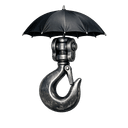
Comprehensive on Hook
Covers theft, fire, and weather damage to vehicles being towed.
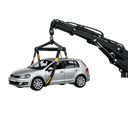
Loading & Unloading
Covers damage during the process of loading and unloading vehicles.
Winching Coverage
Covers damage to vehicles during winching and recovery operations.
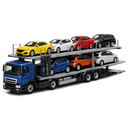
Multiple Vehicle
Covers all vehicles on multi-car carriers and rollback flatbeds.
On-Hook Towing Insurance Requirements in Pennsylvania
- If your operation handles police-directed tows, private property impounds, or storage handoffs, ask how those job types are described in underwriting to reduce claim disputes later.
- Mixed fleets that alternate between flatbed work, wheel-lift calls, and recovery assignments should be scheduled with enough detail that each unit's real exposure is visible.
- Routes involving parking structures, steep driveways, rural roads, or post-collision scenes deserve specific discussion because those settings can change how vehicle damage occurs during a tow.
- Pennsylvania law gives the Insurance Department authority to review carrier conduct, so if a claim dispute cannot be resolved directly, you can request a formal review through the department's consumer services bureau.
How Much Does On-Hook Towing Insurance Cost in Pennsylvania?
For Pennsylvania operators, the most useful way to think about cost is by claim severity, not by a generic towing label. A quote changes when your trucks move different vehicle types, work different hours, or take calls in places where loading and unloading are harder to control. If your schedule includes narrow urban streets, rural roads, winter weather, steep grades, parking garages, or post-collision recoveries, underwriters usually need that operating picture to price the risk correctly.
Your premium review should focus on the factors that move the quote most. Start with the vehicles you tow. Standard passenger cars create one exposure, while heavier pickups, commercial units, specialty vehicles, and low-clearance cars can increase the stakes if something shifts, scrapes, or is damaged during transport. Then look at towing method. Flatbed work, wheel-lift work, recovery operations, and mixed-use fleets are not rated the same way because the loss scenarios differ.
Territory also matters in Pennsylvania because the same truck can see very different conditions across its service area. A business that stays within a small local radius may present a different profile from one that crosses multiple counties, handles highway calls, or works in weather-sensitive areas where flooding, snow, or ice affect scene conditions. Driver experience, claims history, documentation habits, deductibles, and selected limits all shape the final number as well.
To get a quote you can trust, send a current equipment list, a service breakdown by job type, your usual operating radius, and a short description of how drivers document vehicle condition before hookup and at delivery. That gives the underwriter enough detail to price the real exposure instead of guessing from a broad class description.
Request a Quote Comparison
Enter your ZIP code to compare on-hook towing insurance rates from top carriers.
Business insurance starting at $25/mo
Who Needs On-Hook Towing Insurance?
In Pennsylvania, this coverage deserves a closer look any time your business takes possession of customer vehicles in ways that create a real damage dispute if something goes wrong during the tow. Traditional towing companies are the obvious fit, but the state-specific buying decision often comes down to how your work is assigned and documented. If you handle police-requested tows, private property impounds, dealer transfers, roadside assistance dispatches, recovery work after storms, or transport tied to repair shops and fleets, you should review whether your on-hook setup still matches the jobs you actually accept.
This matters even more if your operation has expanded gradually. Many businesses start with local roadside calls, then add impounds, after-hours work, transport for commercial accounts, or specialty vehicle moves without fully updating the insurance application. That gap can create trouble later if the claim file describes work that was never clearly disclosed during underwriting.
You should also review this coverage if you subcontract overflow work, use a mix of employee and owner-operator drivers, or rotate trucks between routine towing and more difficult recovery assignments. Those operating choices can change how a carrier evaluates the exposure. The same is true if you tow vehicles from apartment complexes, parking decks, construction areas, flood-prone streets, or winter accident scenes where loading conditions are less predictable.
Pennsylvania buyers should treat this as an operational fit question, not a label question. If a customer vehicle is attached to your truck, on your bed, or being moved under your control as part of your service, ask for a policy review tied to those exact job types. Bring dispatch records and recent invoices so the quote reflects the work you are really doing now.
On-Hook Towing Insurance by City in Pennsylvania
On-Hook Towing Insurance rates and coverage options can vary across Pennsylvania. Select your city below for localized information:
How to Buy On-Hook Towing Insurance
Buying this coverage in Pennsylvania goes more smoothly when you prepare the underwriting file before you ask for quotes. Begin with a current equipment list that pairs every truck, trailer, and towing setup with the specific work it performs. Do not rely on broad descriptions like towing and recovery if one truck mainly handles dealer moves while another takes night calls, impounds, or crash work. The cleaner the breakdown, the easier it is to compare quotes on substance instead of guessing what each carrier assumed.
Build a short operating summary that includes your service territory, whether you cross county lines regularly, the kinds of vehicles you tow, your dispatch hours, and any work that becomes more common during rain, snow, ice, or flooding. If you use flatbeds, wheel-lifts, dollies, winches, or specialty equipment, list that too. Underwriters need to understand not just what you own, but how it is used in the field.
Gather the documents that help defend a claim. That usually means driver lists, loss runs if available, sample dispatch tickets, pre-tow photo procedures, condition reports, and any customer signoff process used at pickup or delivery. If you have written rules for securing vehicles, documenting existing damage, or escalating difficult recoveries, include them. Those procedures can make a meaningful difference in how your operation is viewed.
Before binding, ask direct questions. Confirm the covered towing methods, the vehicle types you disclosed, the territory described in the application, the selected limits, and how claims involving police tows, impounds, or storage handoffs are handled. Pennsylvania buyers should also know the state's insurance regulator is the Pennsylvania Insurance Department. If you have a dispute with a carrier over a claim or policy issue, you can file a complaint with them and they can review how the carrier handled your case. Keep your records organized and review policy documents carefully before signing. Request a quote through CPK Insurance to compare your options with participating licensed providers.
How to Save on On-Hook Towing Insurance
The most reliable way to lower the cost of this coverage in Pennsylvania is to reduce uncertainty for the underwriter and reduce avoidable disputes after a loss. Start with documentation that shows your drivers follow the same process every time. Pre-hookup photos, notes on existing damage, dispatch timestamps, securement checklists, and delivery confirmation can all help show what happened and when. That kind of file can matter as much as the truck itself because many expensive claims turn on conflicting stories, not just visible damage.
You can also save by separating your operation clearly. If one part of the business handles routine roadside tows and another handles recoveries, impounds, or higher-risk calls, ask whether the application and quote can reflect those differences instead of blending everything into one vague description. A cleaner operational picture often leads to a more accurate premium and fewer surprises at claim time.
Driver management is another practical lever. Keep motor vehicle record reviews current, document training on loading angles and securement, and show how new drivers are supervised before they take more difficult assignments. If winter weather, flooding, or storm-related calls change your procedures, write those steps down and keep them in the underwriting file. Conditions can shift quickly, so a carrier may view a documented process more favorably than an unwritten one.
You should also review deductibles and limits with intent, not habit. A higher deductible may reduce premium, but only if your cash flow can absorb it without disrupting operations after a claim. For example, moving from a $500 to a $1,000 deductible can lower your premium, but only if you can cover that extra $500 out of pocket after a loss. Finally, shop before renewal with updated dispatch data, current equipment schedules, and a clear explanation of any changes in territory or job mix. That gives you a better chance of comparing quotes on real underwriting differences instead of surface price alone.
Our Recommendation for Pennsylvania
For Pennsylvania towing businesses, the smartest buying move is to treat this as a dispatch-and-documentation review, not just an insurance renewal. Pull a recent sample of tickets and sort them by job type: roadside, police tow, impound, dealer move, recovery, and transport. Then compare that list to how your current policy application describes the business. If those two pictures do not match, update your application first.
Next, review where claims are most likely to become expensive for your operation. It may be low-clearance vehicles on flatbeds, all-wheel-drive units on wheel-lifts, winter scene loading, or handoffs at storage lots and repair shops. Ask for limits and underwriting notes that fit those exposures specifically. Generic descriptions can leave too much room for disagreement later.
Also tighten your proof file. Keep date-stamped photos, driver notes, dispatch records, and customer acknowledgments in one place so you can respond quickly if damage is alleged. Weather-related conditions such as snow, ice, rain, and flooding make that discipline even more important because scene conditions can change fast and memories fade.
When you bind, ask the agent to read back the disclosed services, towing methods, territory, and vehicle types. If anything sounds broader or narrower than your real operation, correct it on the spot.
FAQ
Frequently Asked Questions
Yes. A new truck may handle different calls, towing methods, or vehicle types than the rest of your fleet. For example, if you add a heavy-duty wrecker to a fleet of light-duty flatbeds, the new unit exposes you to claims your current policy may not address. Update the application before binding so the quote reflects current operations.
Winter conditions can change traction, braking distance, visibility, and loading conditions, so cold-weather operations should be described clearly during underwriting. If your drivers follow special securement or documentation steps in snow or ice, include those procedures in the quote review.
Pennsylvania police tow and impound work can change the underwriting picture because job timing, scene conditions, and dispute potential often differ from routine roadside calls. Tell the agent how often you take those assignments and how vehicles are documented at pickup.
The Pennsylvania Insurance Department regulates insurance complaints in the state. If you have a dispute with a carrier over a claim denial, policy issuance, or handling issue, you can file a complaint and the department can review whether the carrier followed state rules and policy language. Keep copies of applications, endorsements, and claim communications to support your case.
Pennsylvania tow operators should disclose dealer transport and commercial account work because scheduled moves can involve different vehicle values, routes, and handling routines than emergency roadside calls. A more precise application usually produces a more dependable quote.
Flooding can affect claims because water, debris, unstable shoulders, and difficult recovery angles may change how a vehicle is loaded or transported. If your business works in flood-affected areas, describe those conditions before renewal rather than after a loss.
Pennsylvania buyers should bring a current equipment list, driver roster, recent loss information, service breakdown by job type, and sample documentation used at pickup and delivery. That gives underwriters a clearer picture of how your operation actually handles customer vehicles.
On-hook towing insurance may cover damage to a customer vehicle while it is being loaded, attached, carried, winched, or unloaded by your tow truck, depending on the policy terms. Buyers should review collision, fire, theft, weather, and loading-related damage carefully.
Sources
- 1.Pennsylvania Insurance Department(Pennsylvania buyers should also know the state's insurance regulator is the Pennsylvania Insurance Department.)
Updated July 16, 2026