Updated July 16, 2026

Key Takeaways
- Review your construction contract before requesting a quote, so the named insureds and insurance responsibility match the job documents.
- Prepare the project budget, timeline, address, and scope summary before applying, so the quote reflects the work actually being built.
- Check whether the policy addresses on-site materials, transit, temporary structures, and soft costs before the first delivery arrives.
- Compare the policy term against your realistic completion schedule, then ask about extension options before the original term gets close to expiring.
- Map builders risk against your liability, installation, and equipment policies, so you avoid both coverage gaps and overlapping property insurance.
Builders Risk Insurance in California
Underwriters form their first impression of your project from its location, not its paperwork. A sharper project file gets you a better quote than a rushed application. Insurers want to see exactly where the site is, what stage the work is in, how materials are stored, and which loss controls are already in place. Ground-up builds, major renovations, and additions all get scrutinized through that lens. Expect more questions about location, temporary protections, and who secures the job after hours.
Sort out who carries insurance responsibility under your contract early. A clean submission with the construction schedule, budget, site address, and insured parties lined up moves faster and creates fewer gaps to fix later.
What Builders Risk Insurance Covers
Start with how a loss would interrupt the job, not with a generic list of covered property. A carrier will want to understand whether your project faces wildfire-adjacent exposure, earthquake concerns, flood-prone conditions, or wind-driven damage. Each hazard can affect what is offered, what is limited, and what documentation is needed. Your coverage review should match the site, the phase of construction, and the way materials and equipment move through the project.
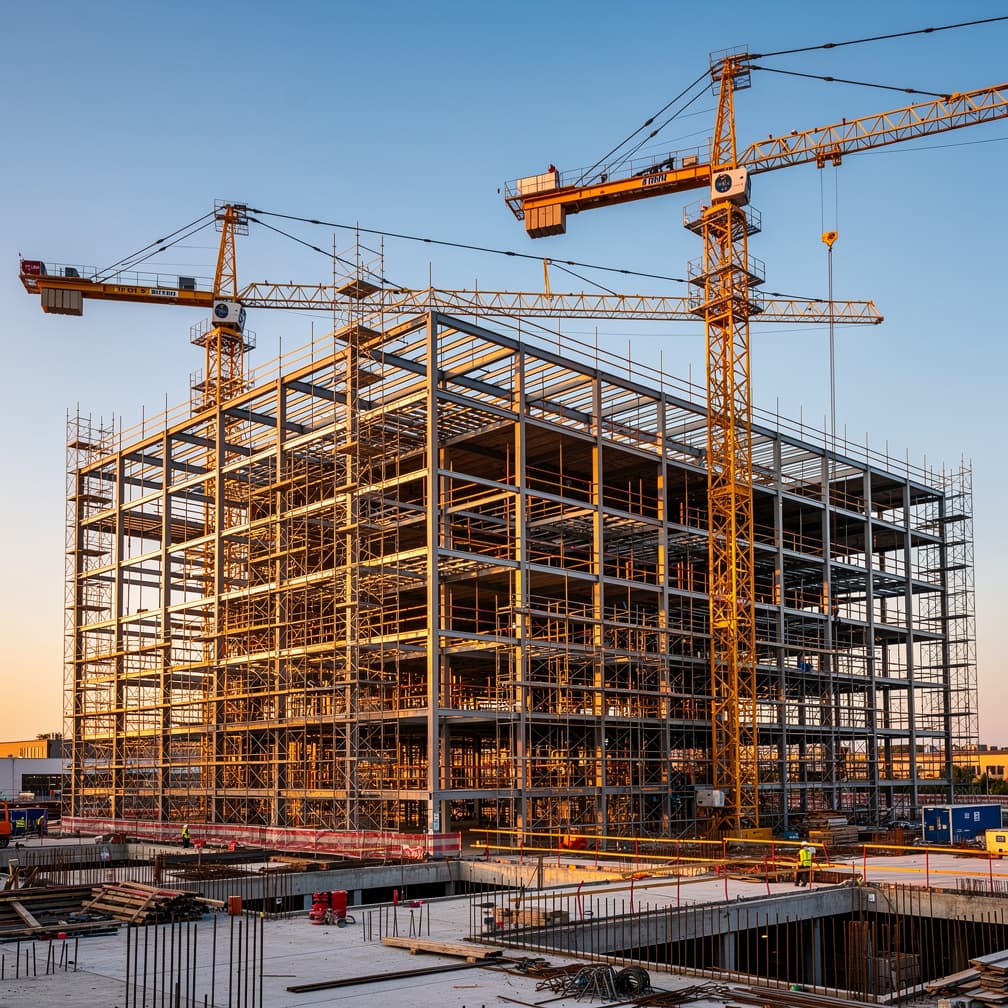
For a California build, pay close attention to property that is vulnerable before it is fully enclosed. Framing, roofing materials, windows awaiting installation, mechanical components staged on site, and temporary structures can all create different claim scenarios depending on where the project sits and how the site is secured. If the job includes renovation work, ask how existing structures are treated and whether the policy approach changes once crews are working inside an occupied or partially occupied building.
You should also review delay-related exposures carefully. If a fire or severe storm damages your framing, the physical repair is only part of the problem. You still have to pay extended loan interest, re-coordinate subcontractors, and push back your delivery date. A covered property loss can create financing, scheduling, and subcontractor coordination problems even after physical repairs begin. If your lender or contract requires certain time-element protections, ask for those terms to be reviewed against the actual schedule and critical path items. Do not assume one form fits every project. Ask the quoting team to walk through exclusions, sublimits, soft cost options, testing or installation exposures, and any conditions tied to hazard-prone locations.

Structure Coverage
Covers the building or structure under construction.

Materials on Site
Covers building materials stored at the construction site.

Materials in Transit
Covers materials being transported to the job site.
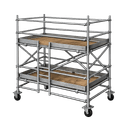
Temporary Structures
Covers scaffolding, fencing, and temporary buildings.

Soft Costs
Covers additional expenses from construction delays due to covered losses.

Equipment Coverage
Covers permanently installed fixtures and equipment.
Builders Risk Insurance Requirements in California
- California underwriters look closely at site controls and storage practices before finalizing terms, so document your security measures and material handling procedures early in the process.
- When a renovation involves an occupied building, review how the policy treats existing structures and phased construction conditions before work begins so you know exactly what is protected at each stage.
- For lender-driven projects, matching evidence of insurance requirements to the contract language early prevents late changes that can delay closing or mobilization.
- If your project relies on long-lead materials, address staging, storage, and replacement timing in the submission, since a schedule disruption from delayed parts can become as costly as direct property damage.
How Much Does Builders Risk Insurance Cost in California?
Pricing usually turns on how underwriters view the site and the hazard profile around it. The total project value, construction type, term, and scope of work then come into play. Two projects with similar budgets can be priced very differently if one sits in a location with heavier hazard concerns or presents tougher access, storage, or protection issues. Give the market enough detail to evaluate the job correctly the first time.
A stronger submission lowers friction in the quote process. Include the exact project address, construction schedule, total project value, renovation versus new-build status, and a clear description of what is already in place on site. If materials are stored off site or delivered in phases, say so. If the project has fencing, monitored alarms, water shutoff procedures, fire protection planning, or documented site security after hours, include that too. Those details help an underwriter decide whether the risk is being managed or merely presented.
Pricing can also move if the insured parties are not settled early. If the owner, developer, lender, and general contractor all need to be reflected a certain way, unresolved contract language can slow quoting and create revisions that waste time. Align the insurance requirement with the construction agreement early. If you are comparing quotes, compare structure as closely as price, because a lower number is not useful if it comes with narrower terms, tighter sublimits, or conditions that do not fit how the project actually operates.
Request a Quote Comparison
Enter your ZIP code to compare builders risk insurance rates from top carriers.
Business insurance starting at $25/mo
Who Needs Builders Risk Insurance?
The buyers who should review this coverage first are the parties whose money, timeline, or contractual obligations are exposed if the project is damaged midstream. That often includes owners, developers, general contractors, and lenders. Your contract dictates who actually buys the policy and who carries responsibility for the work in place. That review matters even more when hazard exposure can affect both property damage and the schedule that follows.
Owners should look closely if they are funding the work, taking title to the improvements, or signing loan documents that require evidence of coverage before draws continue. Developers should review it when multiple entities are involved and the insured parties need to match the deal documents. General contractors should pay attention when the contract shifts insurance responsibility to them or requires them to coordinate certificates, additional interests, or project-specific terms before mobilization.
Renovation projects deserve special attention. If work is happening on an occupied building, a mixed-use property, or a structure with phased turnover, the insurance discussion gets more technical because the project may involve both new work and existing property concerns. That is where a vague assumption about who buys the policy can create a gap. If you have a financial stake in the project, ask one direct question early: who is responsible for insuring the work in progress under the contract as written? Then match the quote request to that answer before construction advances.
Builders Risk Insurance by City in California
Builders Risk Insurance rates and coverage options can vary across California. Select your city below for localized information:
How to Buy Builders Risk Insurance
Buying this coverage efficiently means building the submission around the project file you already use to run the job. Start with the contract, then gather the schedule of values, total project value, site address, construction timeline, and the list of entities that need to be named or recognized. If the project has lender requirements, include them at the start rather than after terms are issued. That reduces rework and helps the quote reflect the actual obligation.
Next, prepare a site-specific narrative. Underwriters often need a clearer picture of hazard exposure and jobsite controls before they will commit to terms. Explain whether the work is ground-up construction, tenant improvement, major renovation, or an addition. Note whether the structure will be occupied during construction, how materials are stored, what temporary protections are in place, and who secures the site after hours. If there are critical materials with long lead times, mention that because replacement timing can matter as much as replacement cost.
Then review the policy structure against the contract. Confirm the named insureds, covered property approach, term length, and any lender or owner requirements for evidence of insurance. If the project may extend, ask how an extension is handled before the original term becomes a problem. If soft costs, delay-related exposures, or temporary works matter to the deal, raise them early, not after a loss. Confirm who will monitor changes during the job, because scope changes, value increases, and schedule extensions can all affect whether the policy still matches the project. Set a calendar reminder to review the policy whenever the construction timeline or budget changes materially.
Request a quote through CPK Insurance to compare your options with participating licensed providers.
How to Save on Builders Risk Insurance
The most effective way to control builders risk cost is to make the project easier to understand and easier to defend from a loss-control standpoint. Start by tightening the submission. A clear schedule, accurate project value, and a site description that addresses hazard concerns usually create a better starting point for pricing.
You can also save by reducing avoidable uncertainty at the jobsite. Document who locks down the site, how combustible materials are managed, where high-value items are stored before installation, and what procedures apply when the project is unattended. If water damage is a realistic concern during construction, show the shutoff and inspection process. If the project sits in an area where wind, flood, earthquake, or wildfire exposure will be part of the underwriting conversation, explain the protective measures already built into operations rather than waiting to answer follow-up questions later.
Administrative discipline also matters. Align the contract, lender requirements, and insured parties before you shop. Midstream changes often create endorsements, delays, or a need to remarket the account, and that does not help pricing or timing. Finally, buy the term and options you actually need. Review values, project duration, and optional coverages against the real construction plan, then ask for revisions if the scope has changed.
Our Recommendation for California
Treat the site description as part of the application, not as an afterthought. Underwriters often make early decisions based on where the job sits, how exposed the work is before dry-in, and whether the insured can explain site controls in operational terms. A short, specific description usually helps more than a long generic one. Ask for the contract insurance requirements to be checked against the quote, especially if the owner, developer, lender, and general contractor all appear in the deal documents. Named insured errors and missing interests are easier to fix before work starts than after a claim.
Review the policy term against the actual construction schedule, including likely delays. Projects can face permitting, material, and sequencing issues that change the timeline. If the job runs long, you want to know the extension process before the original term expires. Finally, do not treat site hazards as a side note. If wildfire, earthquake, flood, or wind is part of the site story, ask directly how that affects terms, sublimits, exclusions, and documentation. That conversation gives you a cleaner comparison between quotes and a better chance of buying coverage that matches the project you are actually building.
FAQ
Frequently Asked Questions
The California Department of Insurance oversees this coverage. That oversight matters because it shapes which policy forms and endorsements are available to you, so use policy documents and quote questions that match state filing and consumer oversight expectations.
Projects in wildfire-prone areas often face closer underwriting review. Be ready to explain site protections, material storage, and how the job is secured after hours.
Renovation projects often need a more detailed review because occupied space, existing structures, and phased work can change how coverage is structured. Check the policy approach against the actual renovation plan.
Lenders often tie insurance evidence to loan and draw requirements. Compare the lender checklist with the construction contract early to avoid naming or coverage gaps.
Give the underwriter a usable picture of the job from the start by providing the site address, total project value, construction timeline, project type, and contract insurance requirements together in one package.
Earthquake exposure can affect how an underwriter reviews the project. Ask specifically about exclusions, sublimits, and any documentation needed for the site instead of assuming standard terms will apply.
Quote comparisons work best when you line up the same project values, term length, insured parties, and site assumptions across each option. Price alone does not tell you whether the terms fit the contract.
Builders risk insurance may cover, subject to policy terms, the structure under construction, materials on site, materials in transit, temporary structures, and fixtures or equipment being installed. Depending on the policy, you can also review soft costs and delay-related coverage tied to a covered property loss.
Sources
- 1.California Department of Insurance(California builders risk insurance is overseen by the California Department of Insurance.)
Updated July 16, 2026