Updated July 16, 2026

Key Takeaways
- Review your construction contract before requesting a quote, so the named insureds and insurance responsibility match the job documents.
- Prepare the project budget, timeline, address, and scope summary before applying, so the quote reflects the work actually being built.
- Check whether the policy addresses on-site materials, transit, temporary structures, and soft costs before the first delivery arrives.
- Compare the policy term against your realistic completion schedule, then ask about extension options before the original term gets close to expiring.
- Map builders risk against your liability, installation, and equipment policies, so you avoid both coverage gaps and overlapping property insurance.
Builders Risk Insurance in Florida
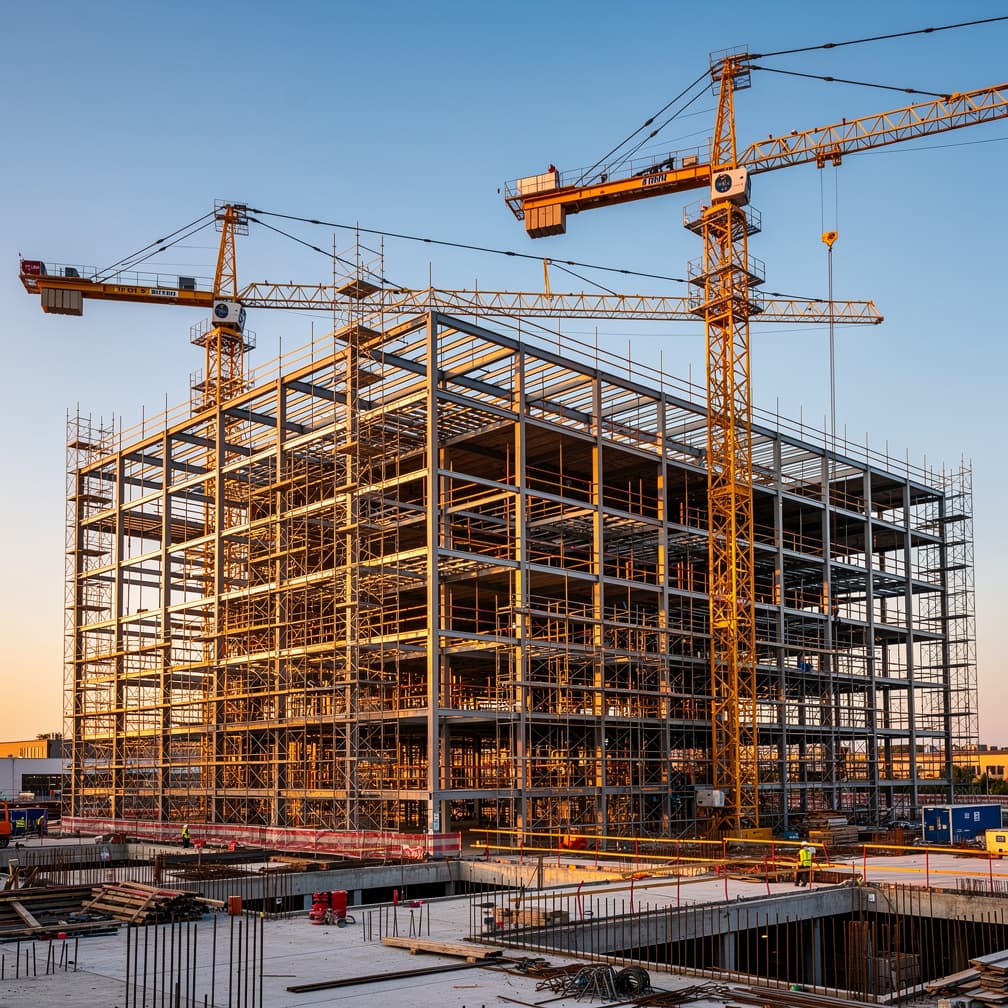
A framed shell can sit open for days in Florida while materials wait on site. Then a wind event, wind-driven rain, or theft can turn a normal build schedule into a financing and contract problem. That is why builders risk insurance in Florida usually gets reviewed with the job calendar, site security, and storm exposure in mind, not as a routine box to check.
If you are building a custom home near the coast, renovating a retail space, or adding square footage to an occupied property, the practical question is not whether the project has risk. It is which property is on site, when it arrives, who is responsible for it, and how a delay would affect draws, subcontractors, and the owner. Florida builds tend to carry unique temporary vulnerability, especially during phases when the structure is not dried in and materials are stored before installation. Line up the construction contract, project budget, draw schedule, and any lender insurance requirements so the policy can be reviewed against the way the job actually moves.
What Builders Risk Insurance Covers
In Florida, the useful review starts with the parts of the job that are most exposed before completion. The highest vulnerability is during framing, dry-in, window installation, roofing, interior rough-in, and while high-value materials are staged for the next trade. That is where you want the quote to match the sequence of construction, not just the address and completed value.
For coastal and inland Florida work alike, ask how the policy treats property in transit, items stored on site, and materials that arrive early because of lead times. If cabinets, mechanical equipment, windows, or finish materials sit in a container, garage, or partially enclosed structure, you want those details reviewed before a loss, not argued after one. The same goes for temporary structures, fencing, and soft cost options if your contract or financing arrangement makes delay expensive.
Renovation work deserves extra attention because the line between existing property and new work can get blurry fast. If you are improving an occupied building, ask where the builders risk policy may end and where the property policy for the existing structure begins. That matters when water enters through an opening created by the work, when materials are stolen before installation, or when a partial loss affects both old and new components.
Florida also has a named regulator, the Florida Office of Insurance Regulation. What that means for you is practical: insurers must file their policy language and endorsements with the state. So if you are comparing forms, keep your review tied to that filed language rather than assumptions from another state. The practical next step is to mark up the site plan and schedule so the coverage review follows the project phase by phase.

Structure Coverage
Covers the building or structure under construction.

Materials on Site
Covers building materials stored at the construction site.

Materials in Transit
Covers materials being transported to the job site.
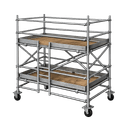
Temporary Structures
Covers scaffolding, fencing, and temporary buildings.

Soft Costs
Covers additional expenses from construction delays due to covered losses.

Equipment Coverage
Covers permanently installed fixtures and equipment.
Builders Risk Insurance Requirements in Florida
- Florida projects often require careful review of wind-driven rain exposure during framing, roofing, window installation, and any phase before the building envelope is fully secured.
- Renovations in Florida can create a sharper coverage boundary between existing property and new work, especially where occupied space remains open during construction.
- If materials are delivered early because of supply timing, ask how the policy treats items stored on site, in temporary containers, or at another approved location.
- Coastal and storm-exposed jobs should be reviewed for deductible structure, protective conditions, and extension needs if weather delays push completion beyond the original term.
How Much Does Builders Risk Insurance Cost in Florida?
Builders risk pricing in Florida is usually shaped by how underwriters see the project's exposure window, not by a standard monthly premium. A quote often moves based on the completed value, construction type, project term, location, distance to coast or open exposure, security at the site, and whether materials will be stored before installation. If the build includes a long lead-time package, a vacant structure during renovation, or a phased turnover, those details can change how the risk is reviewed.
A project scheduled through storm-prone months may need closer underwriting attention than the same scope on a different calendar, and so can the stage of construction at binding. A site that is already dried in presents a different profile than one that is still open to weather. If your lender requires evidence of coverage before releasing funds, delays in getting values, plans, and contract terms organized can cost more in schedule disruption than the premium difference between two quotes.
Florida buyers usually get the cleanest pricing by presenting a thorough submission the first time. That means the contract value, soft cost needs if any, project timeline, construction method, security controls, and a clear statement of who is responsible for insuring materials supplied by the owner or subcontractors. If the project is a renovation, include what parts of the building remain occupied and what protections are in place to separate existing operations from the work area.
The next move is to wait until the budget, scope, and responsibility for materials are settled enough that the insurer is pricing the real job, not an estimate that will need to be rewritten.
Request a Quote Comparison
Enter your ZIP code to compare builders risk insurance rates from top carriers.
Business insurance starting at $25/mo
Who Needs Builders Risk Insurance?
In Florida, the buyer is often the party with the most to lose from a mid-project property loss, but that is not always just the owner. A lender may require evidence of coverage before closing or before the next draw. A general contractor may be contractually responsible for insuring the work in place. A developer may need the policy to protect a schedule tied to presales, tenant delivery dates, or permanent financing.
Custom home projects often need a close review because the owner, builder, and lender can each assume someone else is handling the policy. Commercial renovations create a different issue. The tenant improvement contract may assign insurance responsibility one way, while the lease pushes risk back to the landlord for certain building elements. If that mismatch is not caught early, a loss can expose a gap right when the project is already behind.
Florida projects with owner-supplied materials deserve special attention. If the owner purchases appliances, fixtures, specialty glass, or imported finishes directly, ask whether those items may be included and when coverage attaches. The same question applies when subcontractors fabricate components off site or deliver them before installation. A policy that fits a straightforward ground-up build may not fit a renovation with mixed ownership of materials and an occupied premises.
You should review builders risk if you own the project, finance it, manage the build, or are named in the contract as responsible for insuring the work. Start by listing every party with a financial interest, then compare that list against the contract insurance section before you request terms.
Builders Risk Insurance by City in Florida
Builders Risk Insurance rates and coverage options can vary across Florida. Select your city below for localized information:
How to Buy Builders Risk Insurance
In Florida, buying builders risk correctly usually starts with collecting the documents that define the job's risk transfer. Pull the prime contract, any lender insurance requirements, the project budget, the schedule of values, and the construction timeline. Then identify who must be named, whose materials are included, whether there are owner-furnished items, and whether the project is new construction, an addition, or a renovation to an occupied building.
Next, build the submission around the way the project will actually run. Include the site address, completed value, start date, expected completion date, construction type, and the point in the schedule when the structure will be dried in. If materials will be stored on site, in a warehouse, or delivered in phases, say so clearly. If the project sits in a location with open wind exposure or flood concerns, raise that early so the quote review can focus on terms, exclusions, deductibles, and any conditions that affect binding.
For Florida renovations, be precise about what is existing property and what is new work. Underwriters need that distinction to review the exposure correctly. If the building stays occupied during construction, explain how the work area is separated, how water intrusion is controlled, and who is responsible for temporary protections after each trade leaves the site.
Before binding, compare the quote against the contract line by line. Check named insureds, mortgagee or lender wording, covered property categories, term length, extension options if the job runs long, and any reporting or protective safeguard requirements. Then ask for certificates only after the policy matches the contract and the actual build sequence. Request a quote through CPK Insurance to compare your options with participating licensed providers.
How to Save on Builders Risk Insurance
If you want to control builders risk cost in Florida, make the project easier to understand and less likely to produce a disputed claim. Start with a clean statement of values. If the completed value is inflated, the quote can come back higher than necessary. If it is understated, you risk a harder conversation after a loss.
Project organization also affects price and options. A thorough submission, with plans, timeline, construction type, security details, and clear responsibility for owner-furnished materials, gives underwriters fewer reasons to add caution. If the site has fencing, controlled access, lighting, camera monitoring, or documented procedures for securing openings before weather, include that information. Those details help the insurer evaluate the actual job conditions instead of assuming the worst.
In Florida, schedule discipline matters because delays can extend the period when the structure is most vulnerable. If you can show realistic sequencing, timely dry-in, and a plan for protecting materials during delivery and storage, you put yourself in a stronger position than a project with vague dates and no site controls. Renovations can also benefit from a careful scope split so the insurer is not pricing uncertainty around existing property that belongs under another policy.
You can also save by avoiding midterm corrections. Confirm the named insureds, lender interests, project address, and covered property before binding. Reissuing documents, fixing values, or adding parties after closing can slow the job and create extra friction. The practical move is to submit a complete package once, then compare terms carefully before you choose.
Our Recommendation for Florida
For Florida projects, review the policy around the moments when the job is easiest to damage and hardest to recover from operationally. Those points include the period before dry-in, during material staging, and during any handoff between trades that leaves the structure temporarily exposed. A small wording issue at those stages can stall financing, trigger a coverage dispute, or force a teardown of completed work to access the damaged area.
If your project is near the coast, ask direct questions about wind-related terms, deductibles, and what protective steps are expected when weather is approaching. If it is an interior renovation, focus just as hard on water intrusion controls, temporary openings, and the boundary between existing building property and new work. Many claim disputes start with that line, not with the loss itself.
For owner-builders and custom home projects, confirm whether owner-purchased materials may be included and when coverage attaches. For commercial jobs, compare the lease, loan documents, and construction contract together. Florida projects move more smoothly when those documents are aligned before the first draw.
One more practical step matters in this state. Keep every version of the schedule, budget, and change orders organized from the start. If the job extends, values change, or materials shift on and off site, you want the policy review to keep pace with the project instead of lagging behind it.
FAQ
Frequently Asked Questions
In Florida, the buyer is usually the party the contract makes responsible for insuring the work, often the owner, developer, or general contractor. Review the construction agreement and lender requirements together before binding so the named insureds and project responsibilities line up.
Florida projects often need a close review of wind-related terms because storm exposure can change by location, construction phase, and policy wording. Ask specifically about deductibles, protective conditions, and whether materials on site are treated differently before installation.
Florida renovations are often worth reviewing because the exposure is not just the new work, it is also how that work interacts with the existing building. Clarify where builders risk ends, where the property policy begins, and how occupied areas are protected.
Florida lenders often want evidence of coverage before closing or before releasing draws on a construction project. Gather the loan requirements, contract, and schedule of values early so the policy can be reviewed before funding deadlines create pressure.
Florida submissions work better when they include the contract, completed value, construction type, timeline, site security details, and any owner-furnished materials. If the project is coastal, storm-exposed, or occupied during renovation, say that clearly at the start.
Florida insurance is regulated by the Florida Office of Insurance Regulation. The benefit to you is that insurers must file their policy language and endorsements with the state, which means you can review specific terms and exclusions before binding rather than discovering gaps after a loss.
Florida policies can differ on off-site and in-transit property, so do not assume stored materials are automatically included. If cabinets, fixtures, or equipment are waiting in a warehouse or container, ask for that exposure to be reviewed in the quote.
Builders risk insurance may cover, subject to policy terms, the structure under construction, materials on site, materials in transit, temporary structures, and fixtures or equipment being installed. Depending on the policy, you can also review soft costs and delay-related coverage tied to a covered property loss.
Updated July 16, 2026