Updated July 16, 2026

Key Takeaways
- List every tool, machine, material, and portable device that leaves your main location before you request an inland marine quote.
- Compare blanket coverage against individually scheduled items so your higher-value equipment is not grouped too loosely.
- Ask how the policy treats theft from vehicles, temporary storage, loading and unloading, and property left at job sites overnight.
- Review installation floater and builders risk separately if materials are on site before they become part of completed work.
- Check valuation, deductibles, and exclusions before binding so a claim payment matches how you expect damaged property to be replaced.
Inland Marine Insurance in Louisiana
If your business moves tools, materials, or customer property across Baton Rouge, New Orleans, Lafayette, Lake Charles, or Shreveport, inland marine insurance in Louisiana is built for the way work actually happens here. The state faces severe weather and theft exposure. Those conditions can leave mobile property vulnerable wherever it happens to be sitting.
Louisiana's insurance market carries a premium index of 142, meaning coverage here costs roughly 42% more than the national baseline. For a contractor paying $100 elsewhere, that translates to $142 here, so budgeting ahead matters. For contractors, builders, and service businesses that rely on portable property, this coverage can help fill the gap between a fixed-location property policy and the places your equipment actually goes. The Louisiana Department of Insurance oversees carrier conduct, so your policy terms, endorsements, and limits should be reviewed carefully before you buy. The right quote depends on what you move, where it moves, and how often your property is away from your primary location.
What Inland Marine Insurance Covers
Inland marine insurance is designed for business property that is mobile, installed away from your main location, or in transit over land. That includes tools, equipment, building materials, goods being shipped, and other mobile business property that may be offsite. For many buyers, the most relevant pieces are tools and equipment coverage, goods in transit coverage, contractors equipment coverage, installation floater coverage, and builders risk coverage.
This coverage matters because a standard commercial property policy usually can help protect against covered losses for items at a fixed address, while inland marine follows covered property as it moves. In Louisiana, that distinction is especially important in places exposed to hurricanes, flooding, and severe storms. Businesses may relocate materials, stage equipment offsite, or store items temporarily while projects are delayed. Your policy can respond to theft, damage, vandalism, and other covered perils while property is away from the primary business location.
Louisiana does not have a state-mandated inland marine minimum, and requirements vary by industry and business size. Because the LDOI regulates the market, endorsements, limits, deductibles, and covered property schedules should be checked line by line. If you work offsite or move property between cities, the policy should be matched to those locations and exposures rather than to a single storefront address.
Tools & Equipment
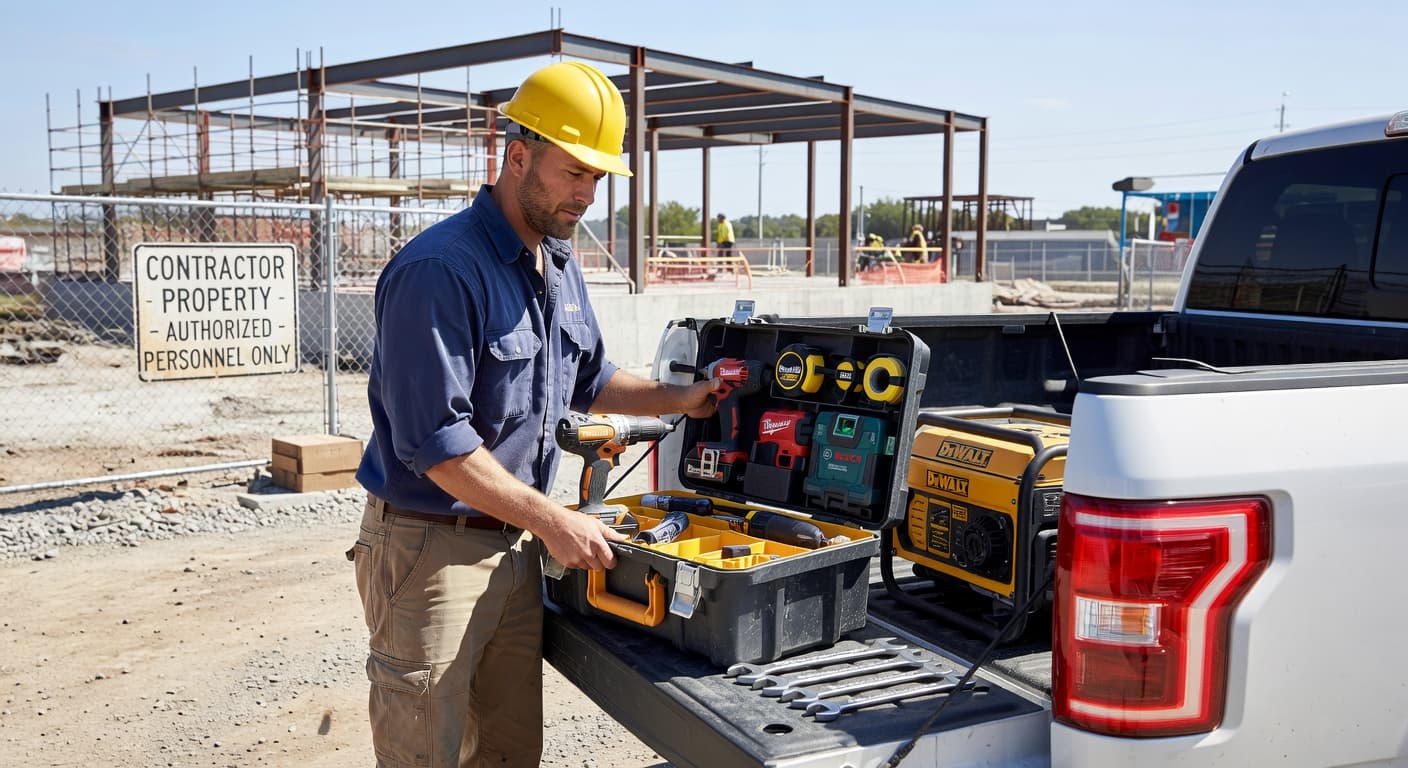
Can help repair or replace hand tools, power tools, and gear that are stolen or damaged on the job or in transit.

Goods in Transit
May cover products, materials, and merchandise while they are being shipped or hauled between locations in your care.
Contractors Equipment
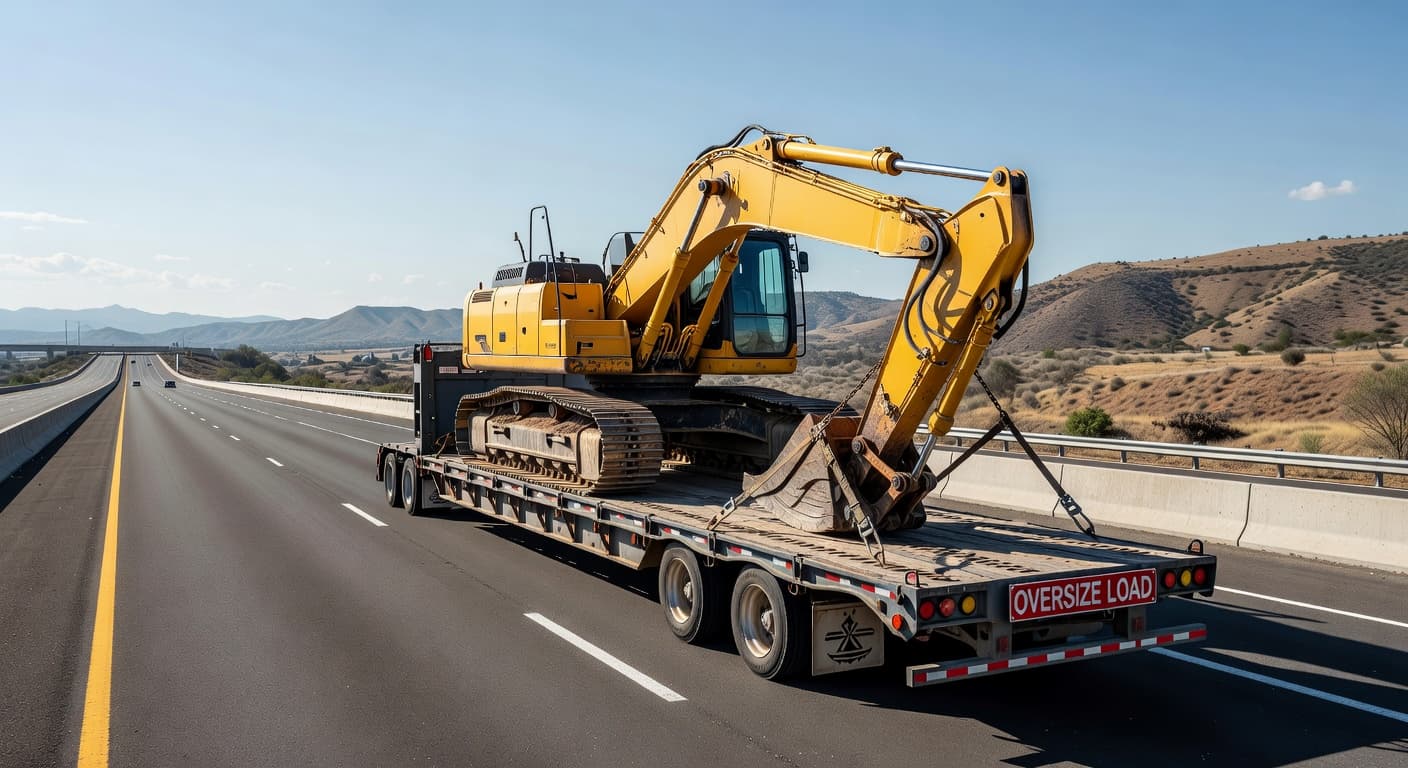
Typically covers heavy machinery like excavators, loaders, and generators against theft or damage at job sites and between them.
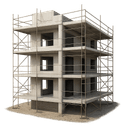
Installation Floater
Can help cover materials and fixtures from the moment you buy them until they are installed and accepted at a project.
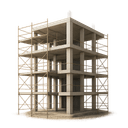
Builders Risk
May cover a structure under construction, along with materials on site, against damage from fire, wind, theft, and vandalism.
Inland Marine Insurance Requirements in Louisiana
- No state-mandated minimum exists, so coverage limits should reflect your actual property values rather than a regulatory floor.
- The LDOI regulates the market, so carrier practices are subject to state oversight.
- Hurricane and flooding exposure can affect how carriers underwrite mobile property, especially for property staged offsite.
- Coverage should be matched to the actual movement of tools, equipment, materials, and goods rather than to a fixed business address.
How Much Does Inland Marine Insurance Cost in Louisiana?
Average Cost in Louisiana
$35 - $130
per month
Businesses in Louisiana typically see inland marine insurance premiums of $35 - $130 per month, which tends to run 38% above the national range of $20 - $100 per month.
- Total insured value of the scheduled property
- Type and age of the equipment
- Where it is stored and how far it travels
- Jobsite security and theft prevention
- Per-item limits and deductibles
- Prior theft and in-transit losses
Contact CPK Insurance for a personalized quote.
The average premium range for inland marine insurance in Louisiana is $35 to $130 per month, which is above the national average market level. Coverage limits and deductibles are major drivers, along with claims history, location, industry risk profile, and policy endorsements.
Severe weather exposure can push premiums upward because mobile property may be exposed during storms. The property crime rate is 3,020 per 100,000 residents. That means roughly 1 in 33 people here experience property crime in a given year, so securing your equipment offsite is a practical necessity, not just a precaution. Construction is one of the state's major industries, and businesses in that sector often need higher scheduled values for tools, materials, and contractors equipment, which can increase cost.
The market is competitive, with many active carriers writing business here. That competition can create meaningful quote variation, so comparing options from multiple carriers is important. Businesses with tighter schedules, lower deductibles, safer storage practices, and well-documented equipment inventories may see more favorable pricing than those with frequent losses or high-value mobile property.
How Louisiana compares with the national baseline
Property crime per 100,000 residents
3,020 vs 2,200 baseline
Property crime in Louisiana runs above the national average, at 3,020 vs 2,200 incidents per 100,000 residents.
Blue bar: Louisiana. Gray line: national baseline.
Prices shown are general estimates, not guaranteed rates or quotes. Your actual premium will depend on the insurer, coverage selected, business details, location, claims history, and other underwriting factors. Learn about our pricing methodology.
Request a Quote Comparison
Enter your ZIP code to compare inland marine insurance rates from top carriers.
Business insurance starting at $25/mo
Who Needs Inland Marine Insurance?
Businesses that regularly move property across Louisiana are the strongest fit for this coverage, especially when the property is used away from the main office. Contractors are a clear example because construction is one of the state's top industries. Louisiana has 114,600 business establishments, 99.4% of which are small businesses. For a small operation, a single stolen tool or damaged piece of equipment can directly threaten your personal finances and your ability to finish the job.
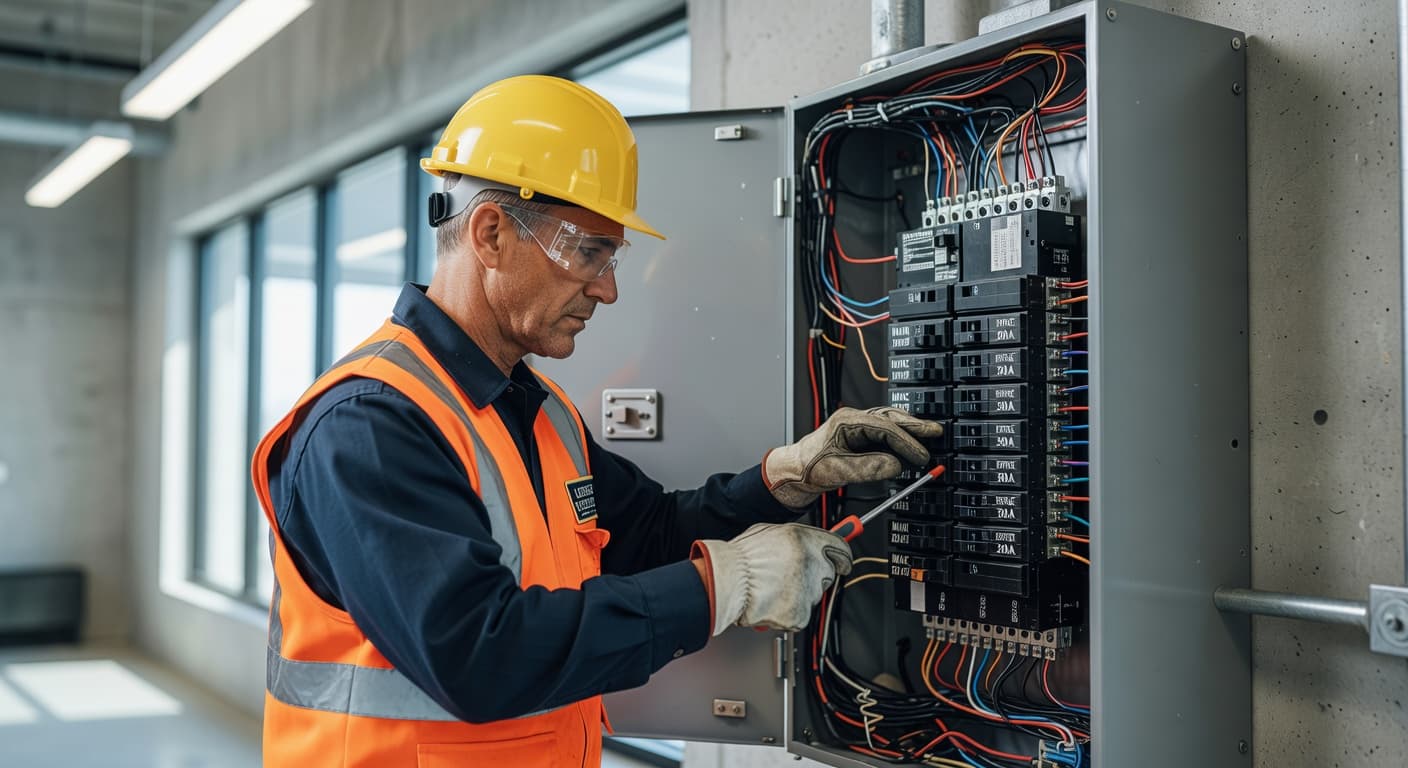
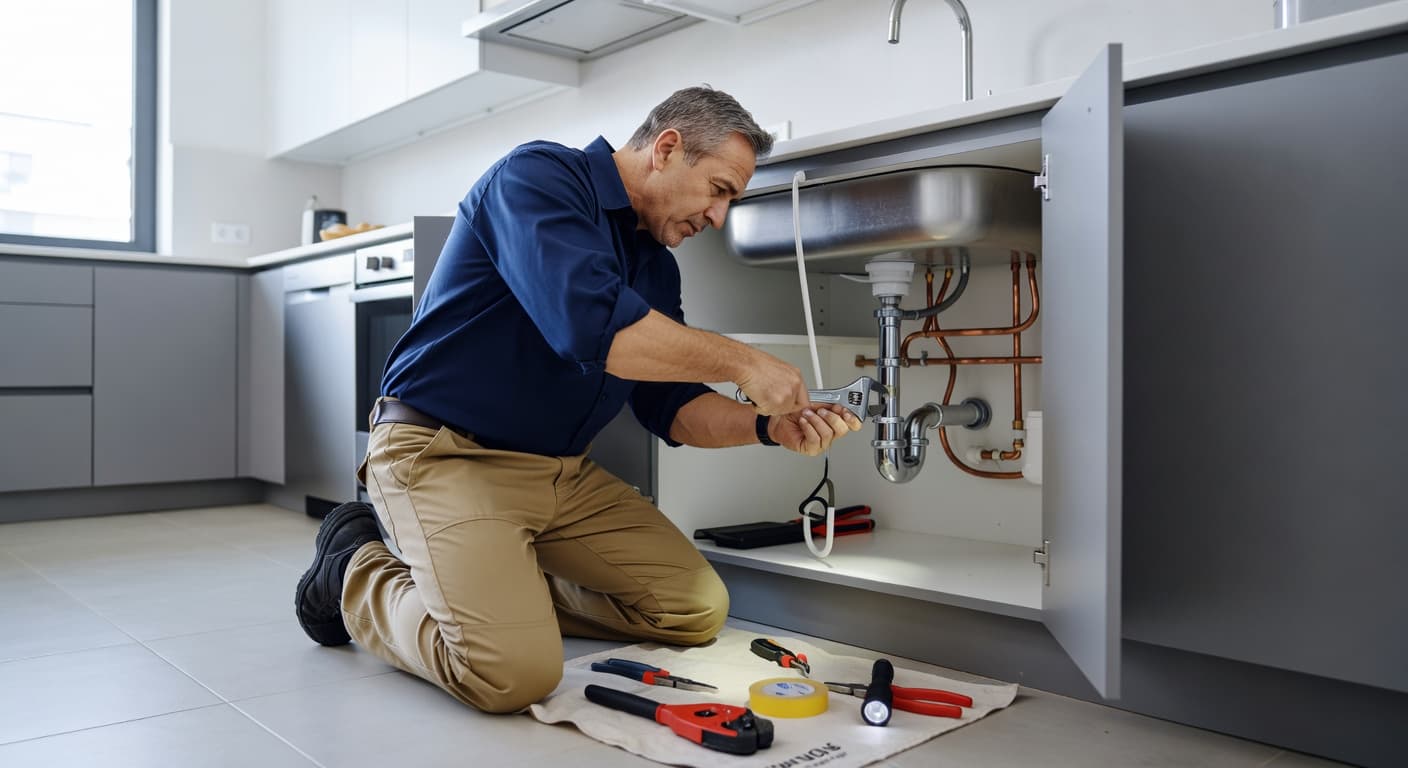
Electricians, plumbers, landscapers, and other trades often need tools and equipment coverage because their property is not confined to one fixed location. Builders and remodelers may need builders risk coverage for materials and structures under construction. Installers may need installation floater coverage for equipment or materials being placed at a customer site. Businesses that ship goods or move inventory between locations may need goods in transit coverage to protect items while they are on the road.
This coverage can also matter for businesses tied to Louisiana's largest employment sectors, such as healthcare, retail trade, and accommodation and food services, if they regularly move expensive portable items or customer property. Because the state's weather and theft risks are elevated, securing coverage before a loss occurs can help you avoid scrambling for replacement funds while a project waits.
Inland Marine Insurance by City in Louisiana
Inland Marine Insurance rates and coverage options can vary across Louisiana. Select your city below for localized information:
How to Buy Inland Marine Insurance
Buying inland marine insurance in Louisiana starts with identifying exactly what property moves, where it goes, and whether it sits in storage or on job sites. Because the LDOI regulates carrier conduct, your application should include accurate descriptions of property, values, and locations. Coverage requirements may vary by industry and business size, which means a contractor, a retailer shipping goods, and an installer may need different schedules and endorsements.
A practical buying process is to inventory tools, equipment, materials, and goods by category and value. Comparing options from multiple carriers can reveal differences in deductible structure, covered perils, and endorsement choices. The same mobile property can be rated differently depending on a carrier's appetite for your industry or risk profile.
When you apply, be ready to explain whether property is stored in a truck, trailer, warehouse, yard, or temporary job-site location. Make sure to note whether it is used in Baton Rouge, coastal parishes, or other cities in the state. If your business also carries other policies, ask whether bundling with commercial property or other business coverage is available. Since Louisiana's hurricane exposure can affect underwriting, make sure the policy language matches how your property is actually transported and staged, not just where your business office is located. Request a quote through CPK Insurance to compare your options with participating licensed providers.
How to Save on Inland Marine Insurance
The most effective way to manage inland marine insurance cost in Louisiana is to reduce the carrier's uncertainty about where your property is and how it is protected. Start by keeping a current inventory of tools, equipment, and materials, including serial numbers, replacement values, and where each item is typically stored or used. Clear documentation can help a carrier rate your account more accurately and can make the quote process faster.
Choosing the right deductible is another key factor. Higher deductibles can lower the premium, but only if the business can absorb the out-of-pocket cost after a loss. Because Louisiana's premium index is above the national average, small changes in limits, deductibles, and endorsements can matter more here than in lower-risk states. If your property value changes seasonally, ask whether your limits can be adjusted to avoid paying for unused capacity.
You can also save by comparing multiple carriers, since Louisiana has a competitive market. Ask how each carrier treats offsite storage and transit between cities, because those details affect pricing. If you already buy commercial property or other business policies, ask about multi-policy discounts. Bundling can produce savings, but the actual amount varies by carrier and account. Finally, improve physical controls where possible, because secure storage, controlled access to equipment, and better tracking of mobile property can support more favorable underwriting.
Our Recommendation for Louisiana
For Louisiana buyers, the best approach is to match inland marine limits to the value of what actually moves, not to a generic business estimate. Focus first on the property that leaves your main location most often, then decide whether you need separate schedules for tools, equipment, materials, or installation exposures. Because Louisiana faces severe weather exposure, ask how the policy treats property at job sites, in storage, and during transit across different parts of the state.
If your business is small, growing, or project-based, review your limits every time equipment values change so you do not carry outdated protection. A policy that made sense when you had three crews may fall short when you have eight, and Louisiana's weather windows do not leave room for coverage gaps mid-project.
FAQ
Frequently Asked Questions
It is designed for mobile business property such as tools, equipment, building materials, and shipped goods while they are away from your main location. If your tools are sitting in a truck overnight or your materials are staged at a customer site, this coverage can help protect them.
It follows covered property when it is stored offsite, which helps fill the gap left by a fixed-location commercial property policy. So if your equipment is staged at a Louisiana job site or in temporary storage, your policy can respond to covered perils there.
Contractors, electricians, plumbers, landscapers, installers, and businesses that ship goods or hold customer property are common Louisiana buyers because they move property regularly.
Limits, deductibles, claims history, location, industry risk, and endorsements all matter, and Louisiana's hurricane, flooding, and property crime conditions can also affect pricing.
There is no state-mandated minimum for inland marine insurance, but the LDOI regulates the market and requirements can vary by industry and business size.
List the property you move, where it goes, how it is stored, and its values, then compare quotes from multiple carriers because Louisiana has many active insurers and pricing can vary.
Choose based on what you move most often: tools and equipment insurance for portable tools, contractors equipment insurance for larger job-site equipment, and installation floater coverage for materials or equipment being installed at customer sites.
Inland marine insurance may cover business property that moves, travels, or is stored away from your main premises. That can include tools, equipment, materials, goods in transit, and certain property at job sites or temporary locations, depending on your policy terms.
Updated July 16, 2026